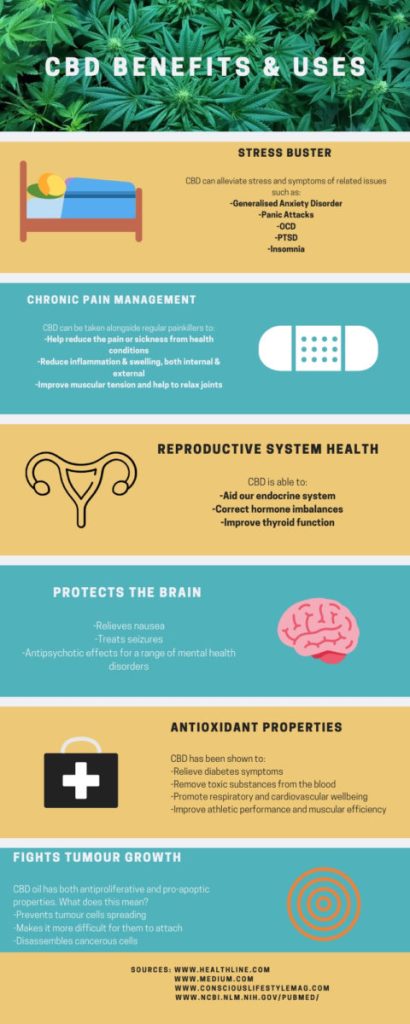
In recent years, the world has observed a notable transition in the perception of cannabis and its many derivatives, particularly CBD. As a organic compound derived from hemp, CBD has garnered considerable attention for its potential health benefits, especially among women seeking support for different wellness goals. please click the next webpage with CBD began as a pursuit for holistic solutions to frequent ailments, but it soon evolved into a more extensive exploration of how cannabinoids can enhance general well-being.
Women’s health has become a key focus for CBD research, notably in areas such as chronic pelvic pain and unpleasant intercourse. This frequently ignored aspect of women's health has prompted many, including myself, to seek options to conventional medicine. While the science of cannabinoids continues to be revealed, personal experiences with CBD products, including suppositories specifically designed for pelvic pain, have opened fresh doors for self-care. Join me as I reveal my journey through the realms of CBD, wellness, and empowerment, navigating the challenges and triumphs that come with embracing nature's remedy.
Cannabidiol and Female Health
Women’s health concerns are diverse and complex, often requiring holistic approaches for effective management. CBD, or cannabidiol, is gaining increasingly acknowledged as a valuable component in addressing multiple health issues specific to women. Its potential benefits range from relieving menstrual pain to boosting emotional well-being, rendering it a attractive option for those looking for natural remedies.
One of the key areas where CBD is gaining application is in the treatment of persistent pelvic pain, which affects many women. Studies suggest that cannabidiol may help reduce inflammation and relieve pain, offering much-needed relief without the side effects often linked to traditional pain medications. For women experiencing conditions like endometriosis or pelvic floor dysfunction, CBD alleviates the discomfort and promotes a more balanced approach to treatment.
CBD suppositories are also becoming popular as a targeted method for treating pelvic pain. By administering cannabinoids directly to the pain point, these products may improve absorption and provide quick relief during painful episodes, including discomfort during sex. This creative approach reflects the increasing recognition of women's unique health needs and the promise of cannabidiol as a transformative tool in self-care regimens.
Wellness Goals with Cannabidiol
Adding Cannabidiol into a health regimen can have profound impacts on both bodily and emotional health. For a variety of women, CBD can aid in managing symptoms related to hormonal changes, stress, and stress. By matching straight from the source with individual health aims, individuals can create a personalized method to improve their overall health. Whether it's through oils, tablets, or topical applications, choosing the right CBD product can enhance everyday practices and promote a sense of calm.
Males also benefit from incorporating CBD into their health routines. With the ability to reduce anxiety, support muscle recovery, and encourage relaxation, CBD can play a significant role in attaining wellness goals. This method encourages gentlemen to explore many kinds of Cannabidiol, whether it’s using oils after a workout or including it in their bedtime regime, fostering a closer tie to their health and well-being.
Overall, the study behind cannabinoids supports the notion that Cannabidiol can be a strong partner in reaching wellness aspirations. As people learn more about their physiologies and how CBD interacts with the endocannabinoid system, they may uncover new ways to handle issues like chronic pain, stress, and fatigue. Incorporating CBD as part of a integrated wellness strategy opens the door to a more equilibrium and rewarding lifestyle.
The Science of Cannabinoids
Cannabinoids are a class of compounds that engage with the body's endocannabinoidal system, which plays a crucial role in maintaining balance. Found in the marijuana plant, the two most recognized cannabinoids are THC and CBD. While tetrahydrocannabinol is primarily responsible for the psychoactive effects linked to marijuana, cannabidiol offers a range of promising therapeutic benefits without the high. Research has been ongoing to investigate how these compounds can influence various medical aspects, particularly in female health and well-being.
The endocannabinoid system consists of receptors, endocannabinoids, and biomolecules that work together to modulate physiological functions such as discomfort, mood, and swelling. Cannabinoids like CBD can bind to these receptors, which can lead to various health benefits. This connection has generated interest in using CBD for conditions such as ongoing pelvic discomfort and dyspareunia. Understanding the biology behind cannabinoids helps to elucidate their healing effects and creates opportunities for innovative personal care options.
Emerging studies indicate that CBD may help relieve several issues linked to pain in the pelvic region and other female reproductive issues. By potentially lessening inflammation and modulating pain signals, cannabidiol offers hope for individuals seeking respite from debilitating symptoms. As scientists continue to reveal the intricate mechanisms of cannabinoids, more data is expected to back their use in wellness goals, particularly for females, challenging the traditional beliefs surrounding cannabis and its applications in medical treatment.
Cannabidiol for Pelvic Discomfort
Discomfort in the pelvic region can significantly impact a individual's life quality, influencing both bodily and emotional well-being. For many individuals, this pain can stem from multiple conditions, including endometriosis, pelvic inflammatory disease, or even muscle strain. Increasingly, patients are turning to cannabidiol as a possible solution for reducing this pain. The inflammation-reducing properties of CBD are considered to help diminish pain and promote relaxation, making it a viable option for those wanting relief.
One novel method of using CBD for discomfort in the pelvic area is through the application of rectal CBD products. These allow for direct absorption in the pelvic area, which can offer specific comfort when standard oral consumption might be not as beneficial. Clinical trials suggest that cannabis compounds can relieve pain by engaging with the body’s cannabinoid receptors, which plays a vital role in controlling pain and inflammation. This direct approach could provide a higher degree of comfort for individuals dealing with chronic pelvic pain.
In addition, cannabidiol's potential in improving self-care routines cannot be underestimated. Incorporating cannabis-based items into daily self-care practices, whether through topicals or other forms, can promote calm and contribute positively to emotional wellness. As an increasing amount of research is conducted about the benefits of cannabinoids, those experiencing pelvic pain may find hope in a natural alternative that complements their overall wellness approach.